
Alice Street

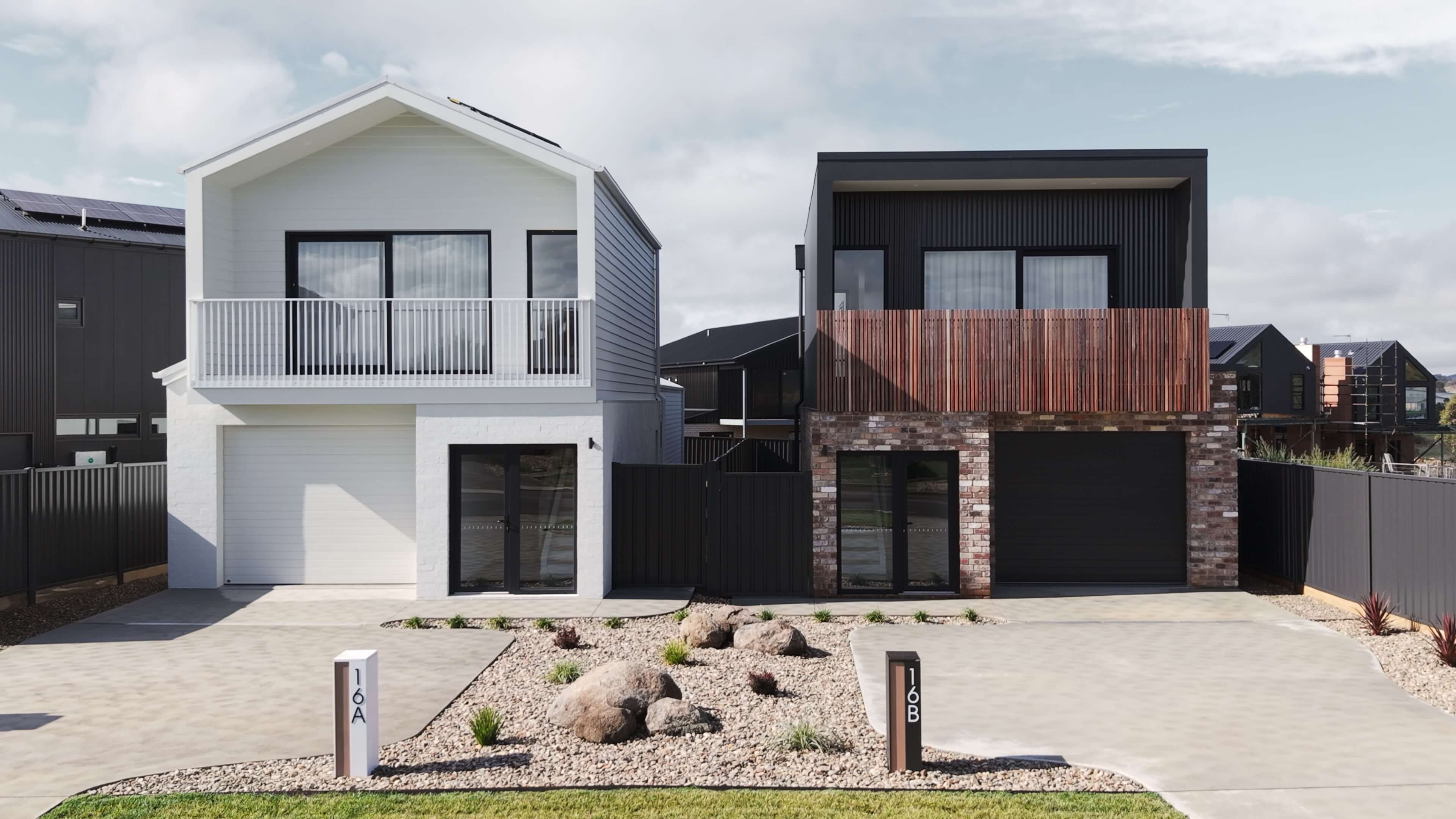
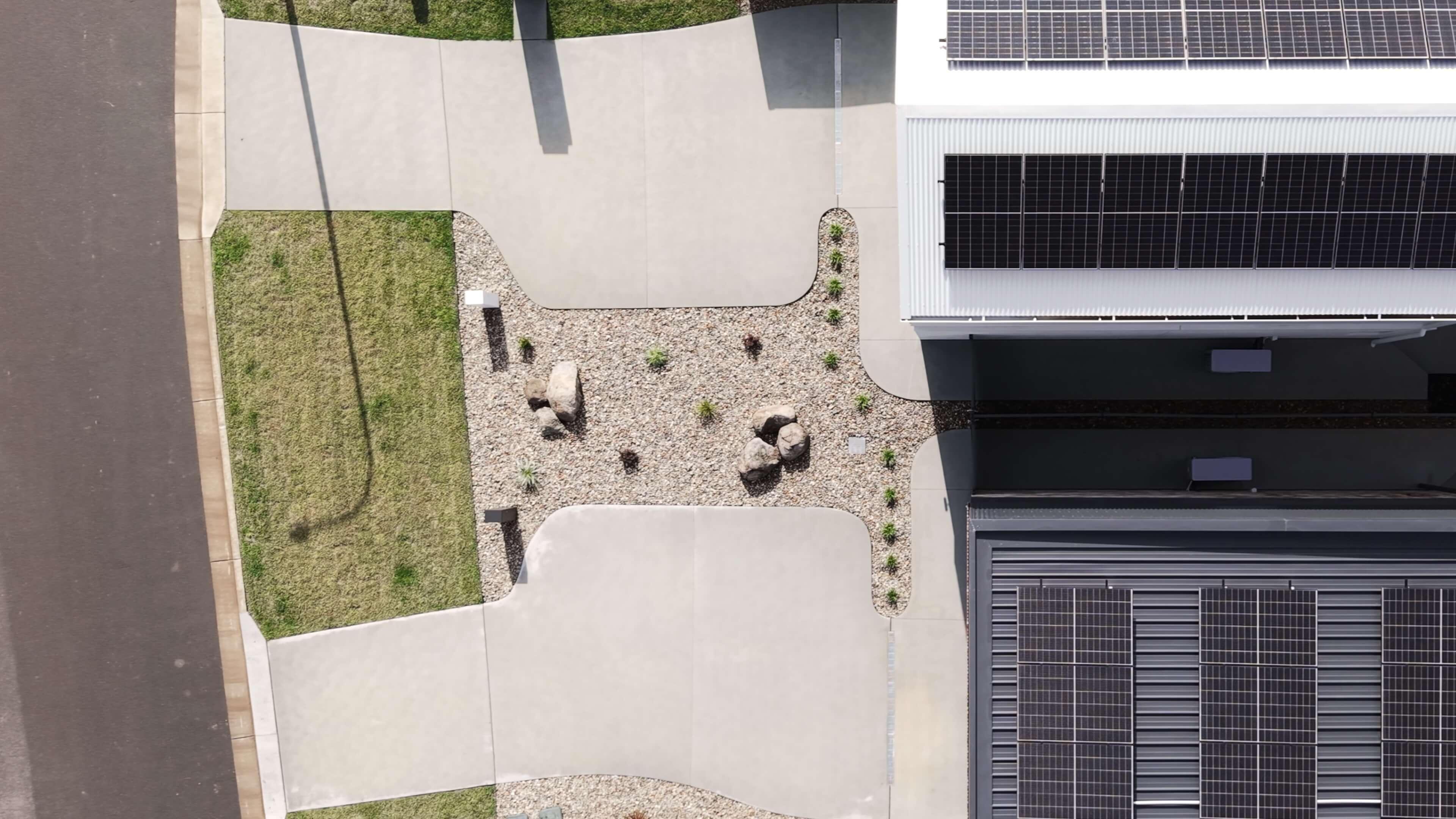
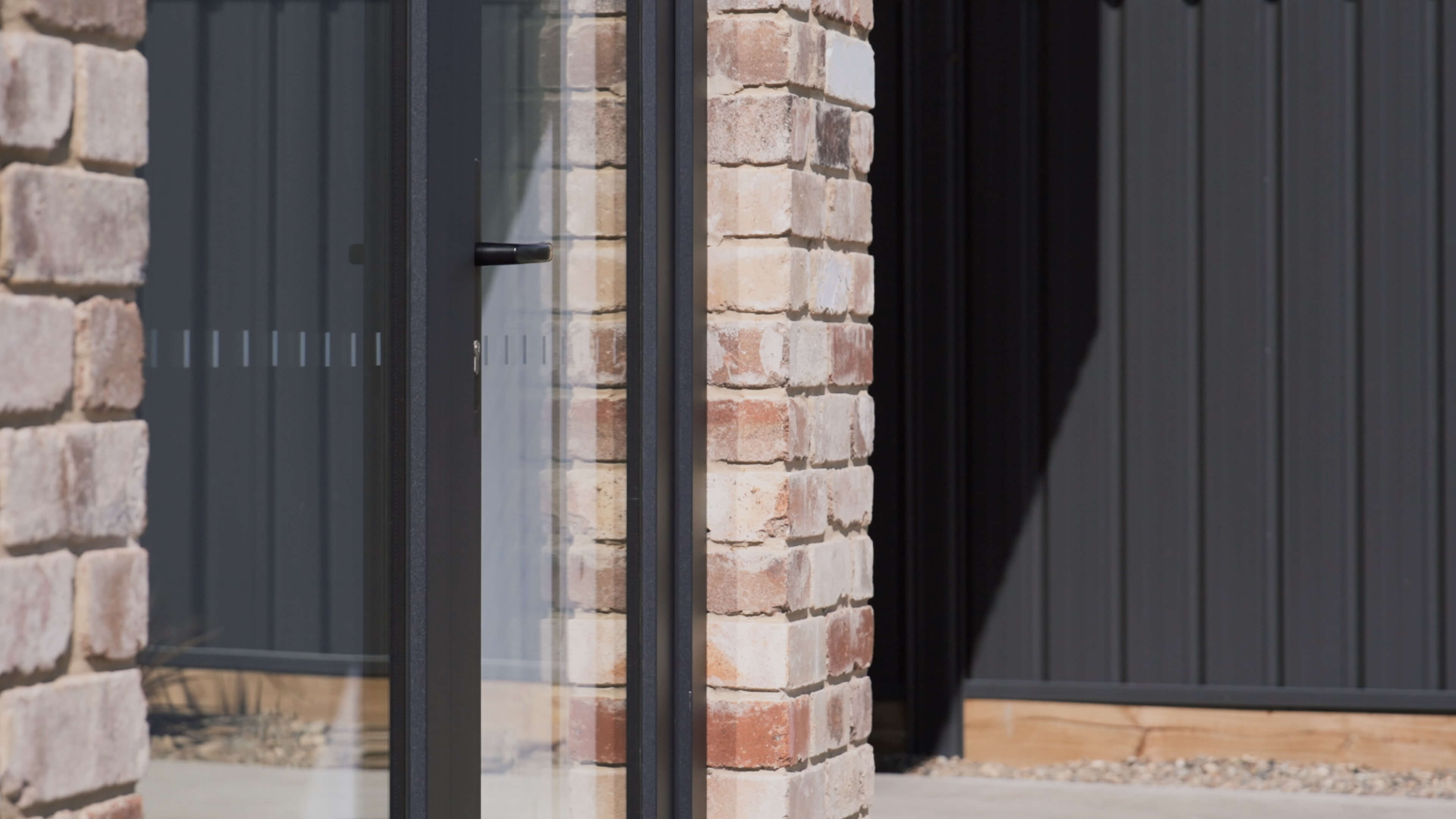
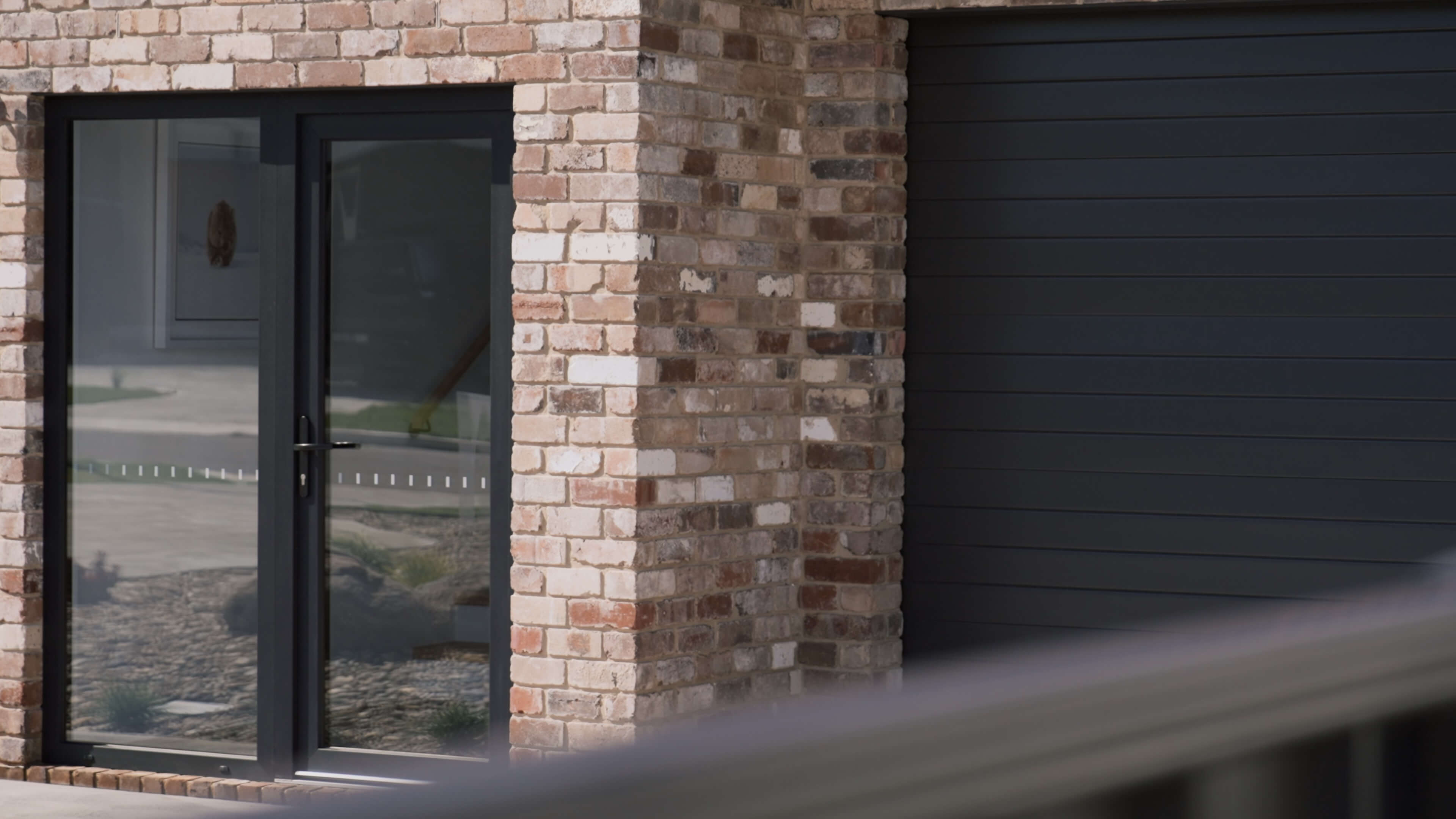
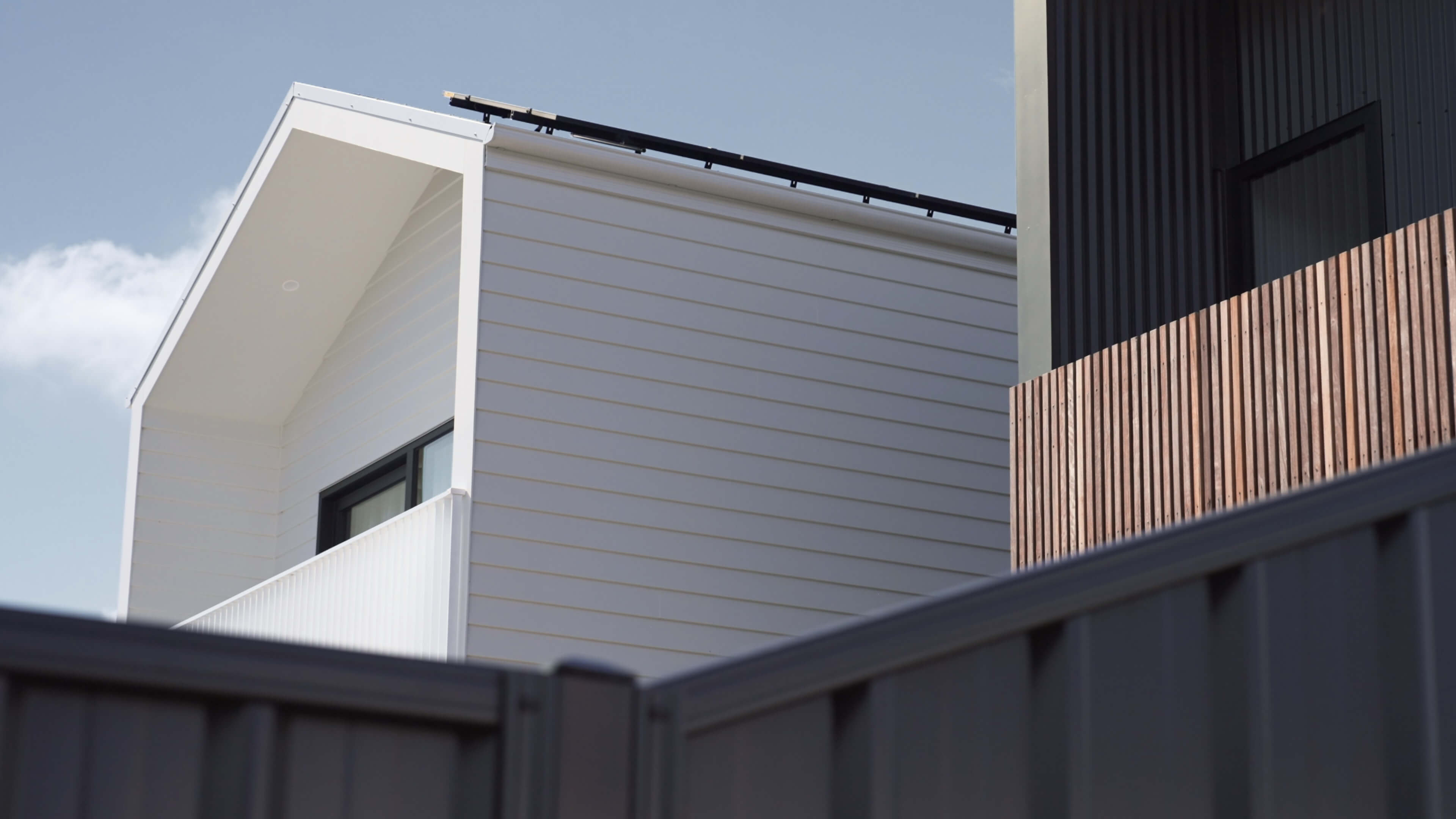
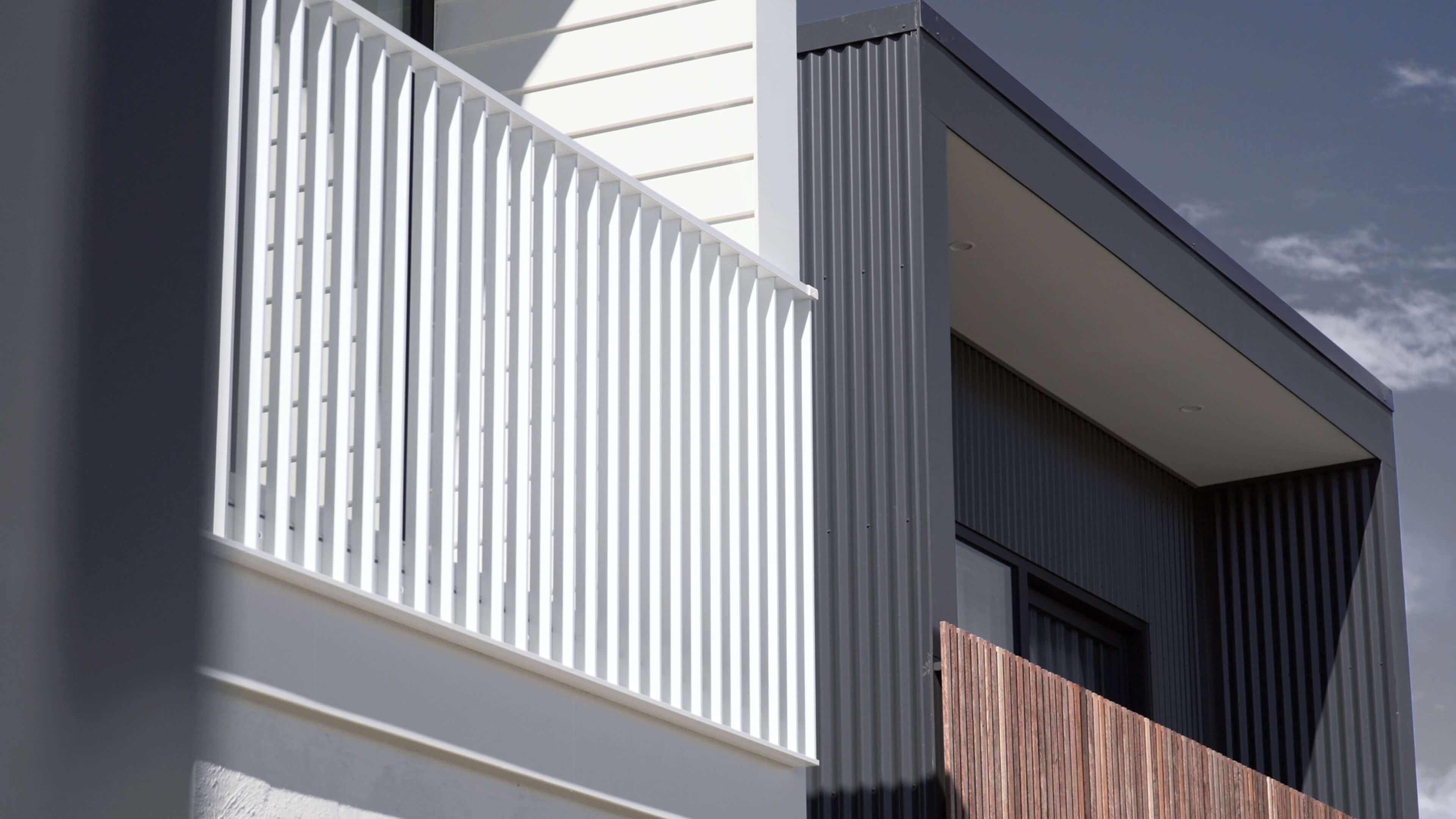
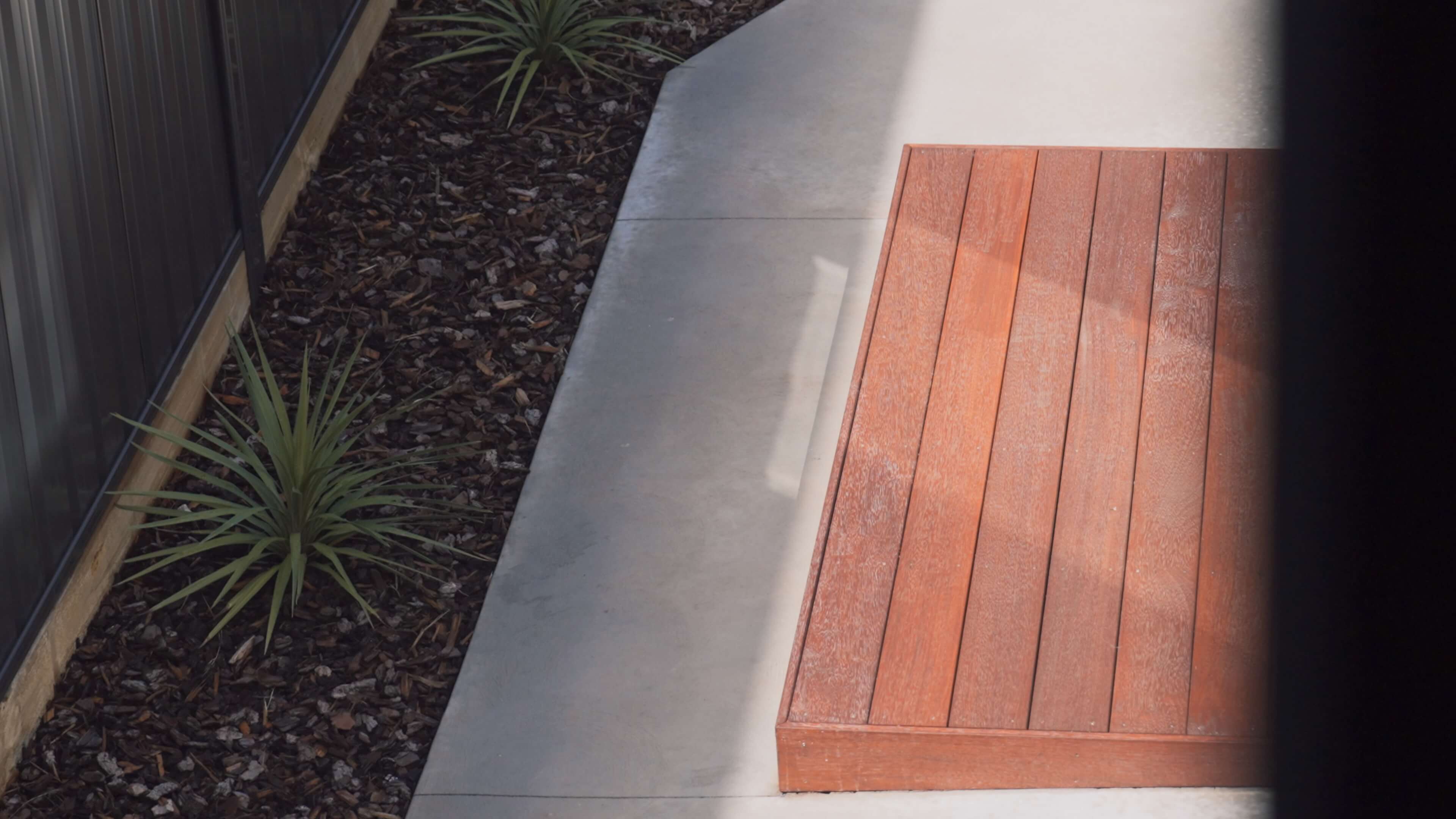
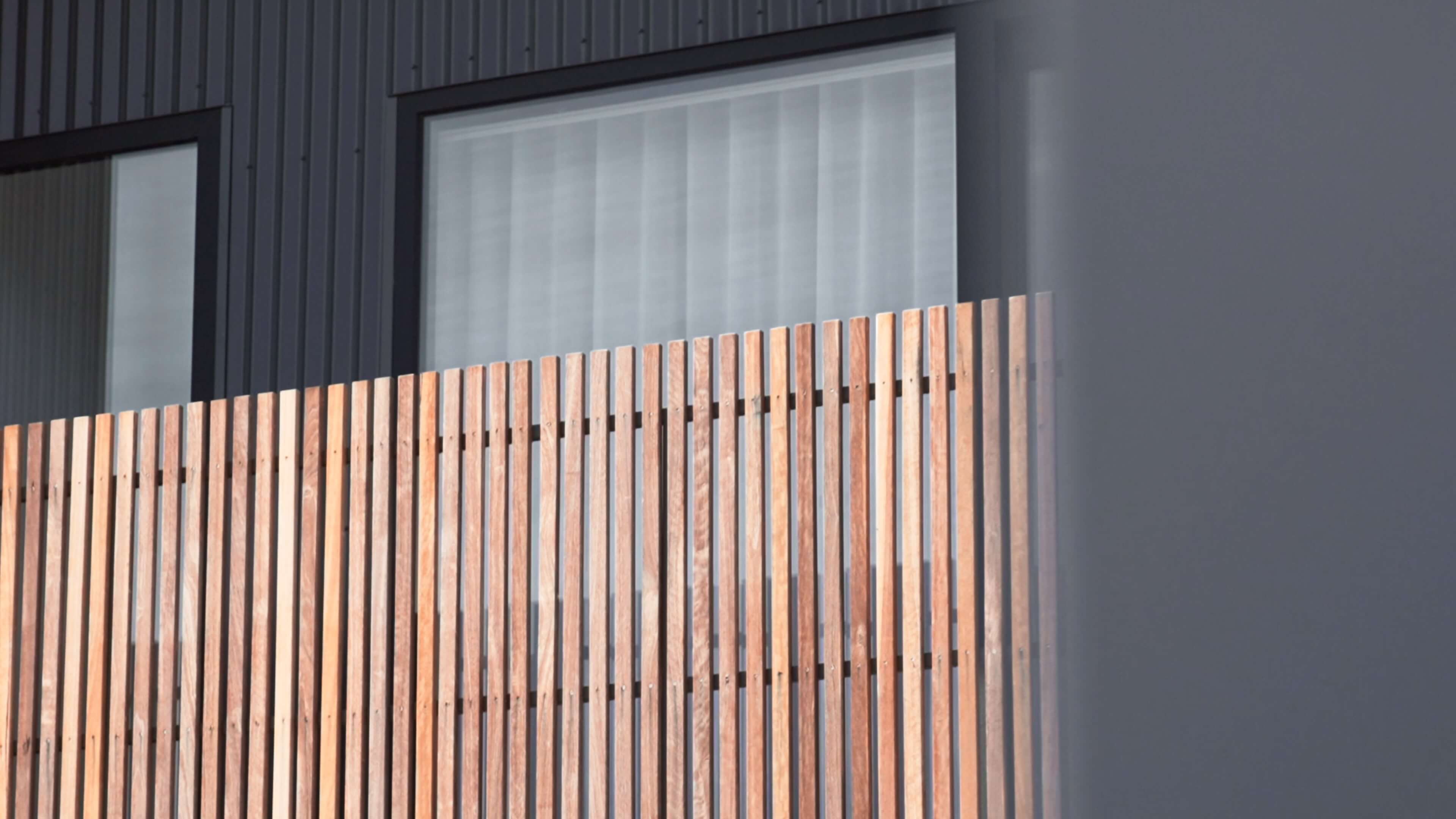
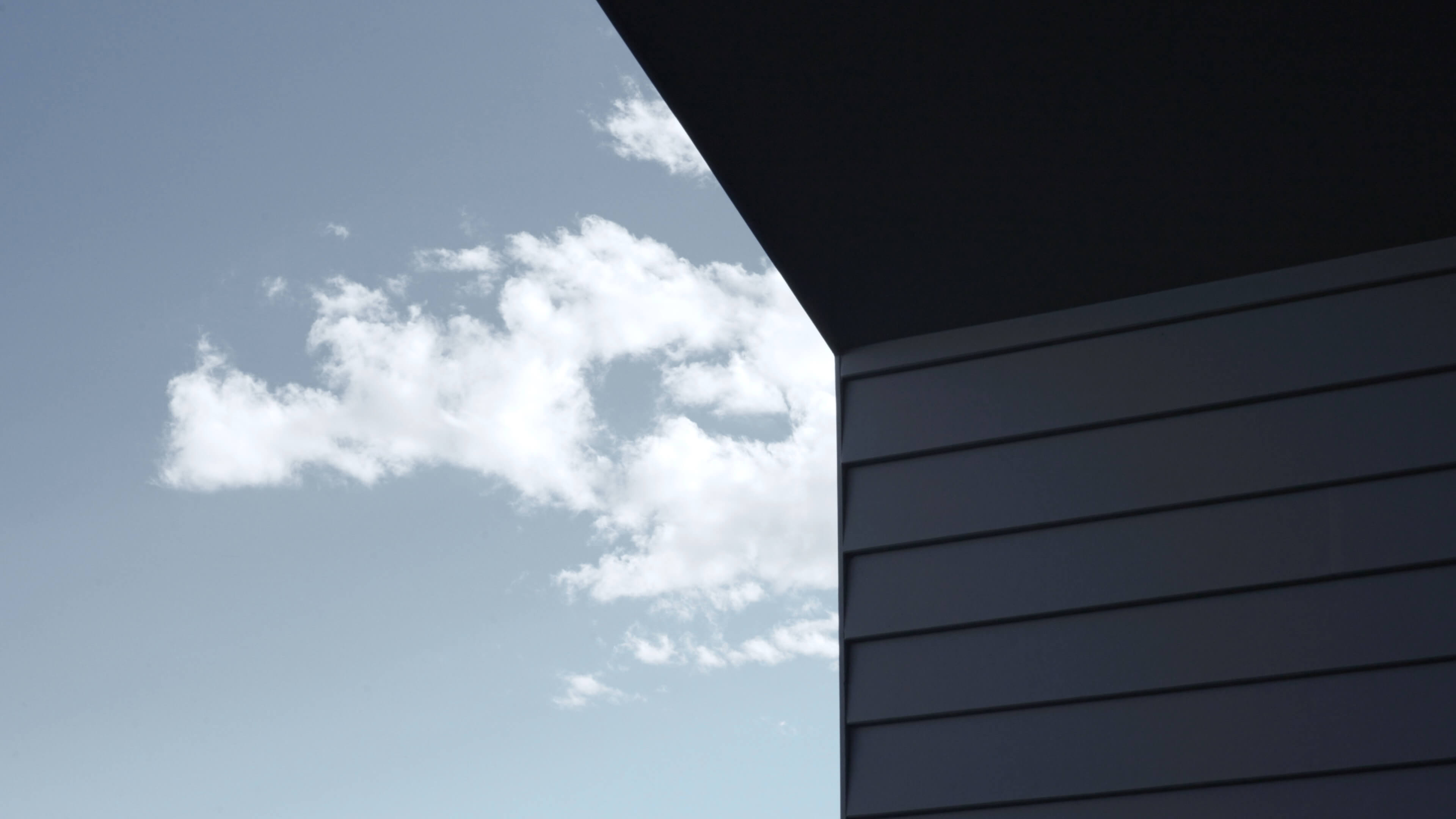
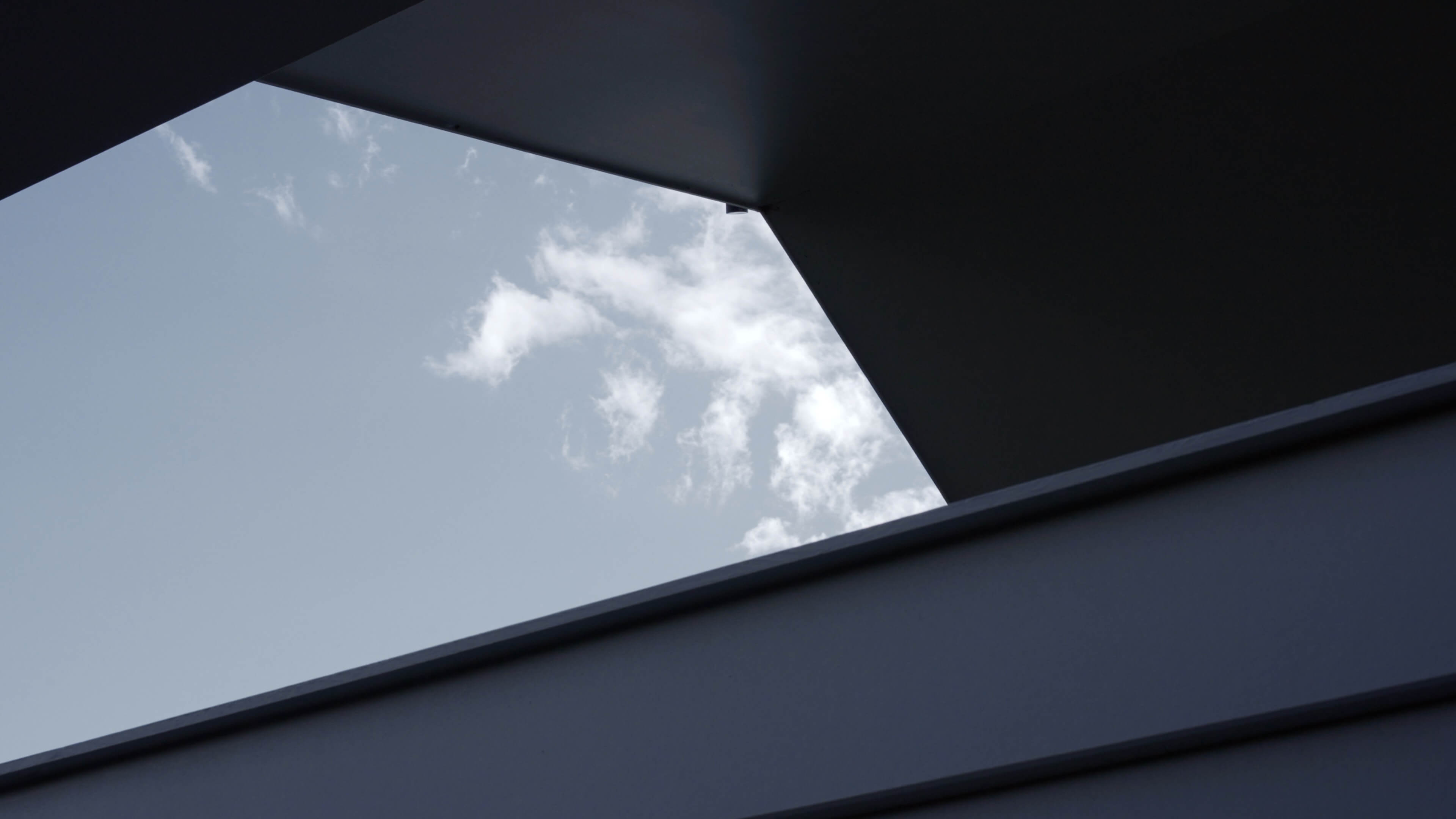
This was a detached dual occupancy development delivered by Bryn Jones Building — two separate dwellings with identical footprints and mirrored layouts, designed for build efficiency while giving each home its own distinct external façade and identity.
Both dwellings were designed around functional family living, offering 4 bedrooms and 3 bathrooms each with efficient, well-resolved floor plans. Working within the constraints of a narrow block, the design was carefully planned to meet all setback, separation, and layout compliance requirements, and was approved under a Complying Development Certificate (CDC) to enable faster project delivery.
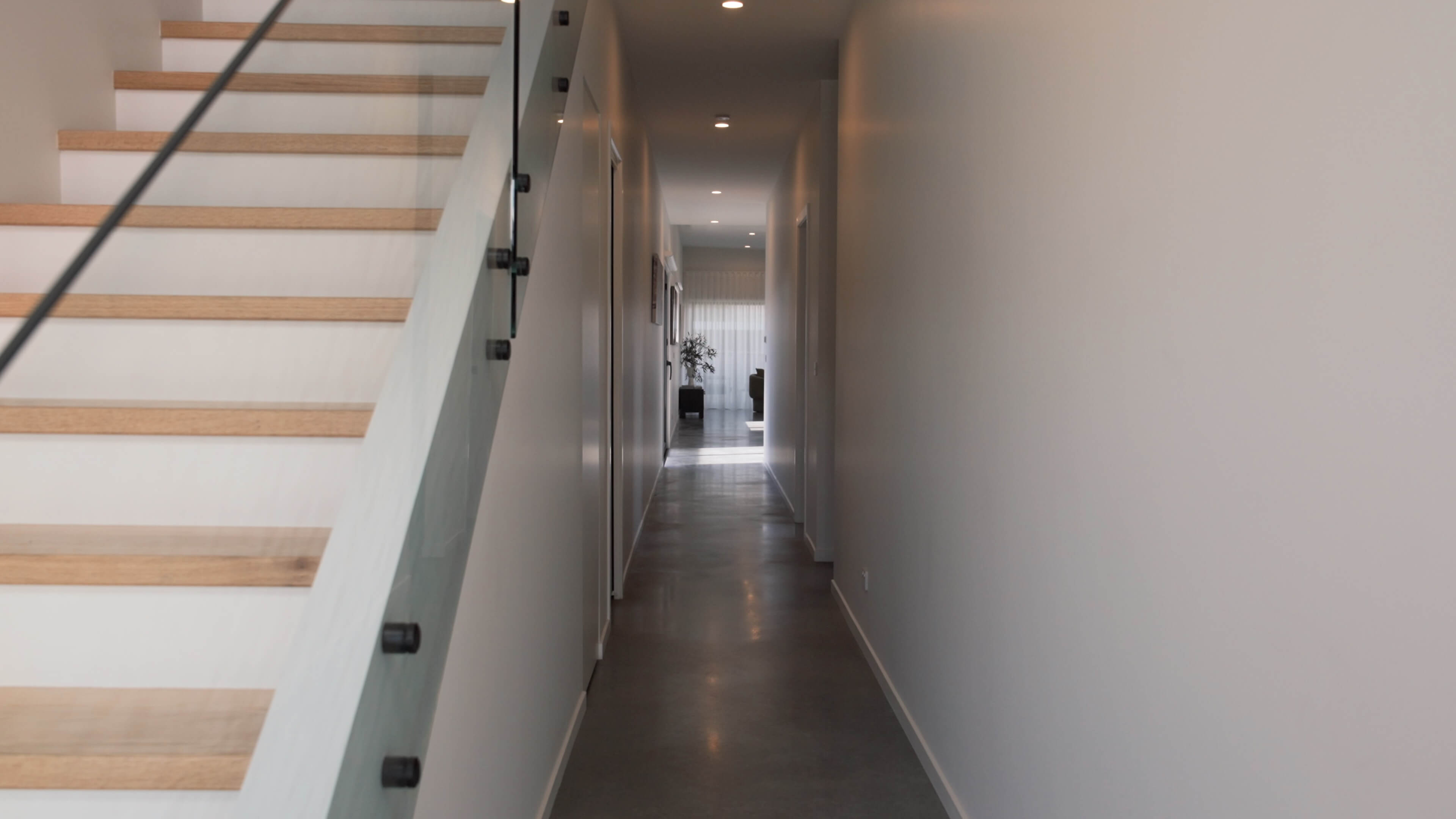
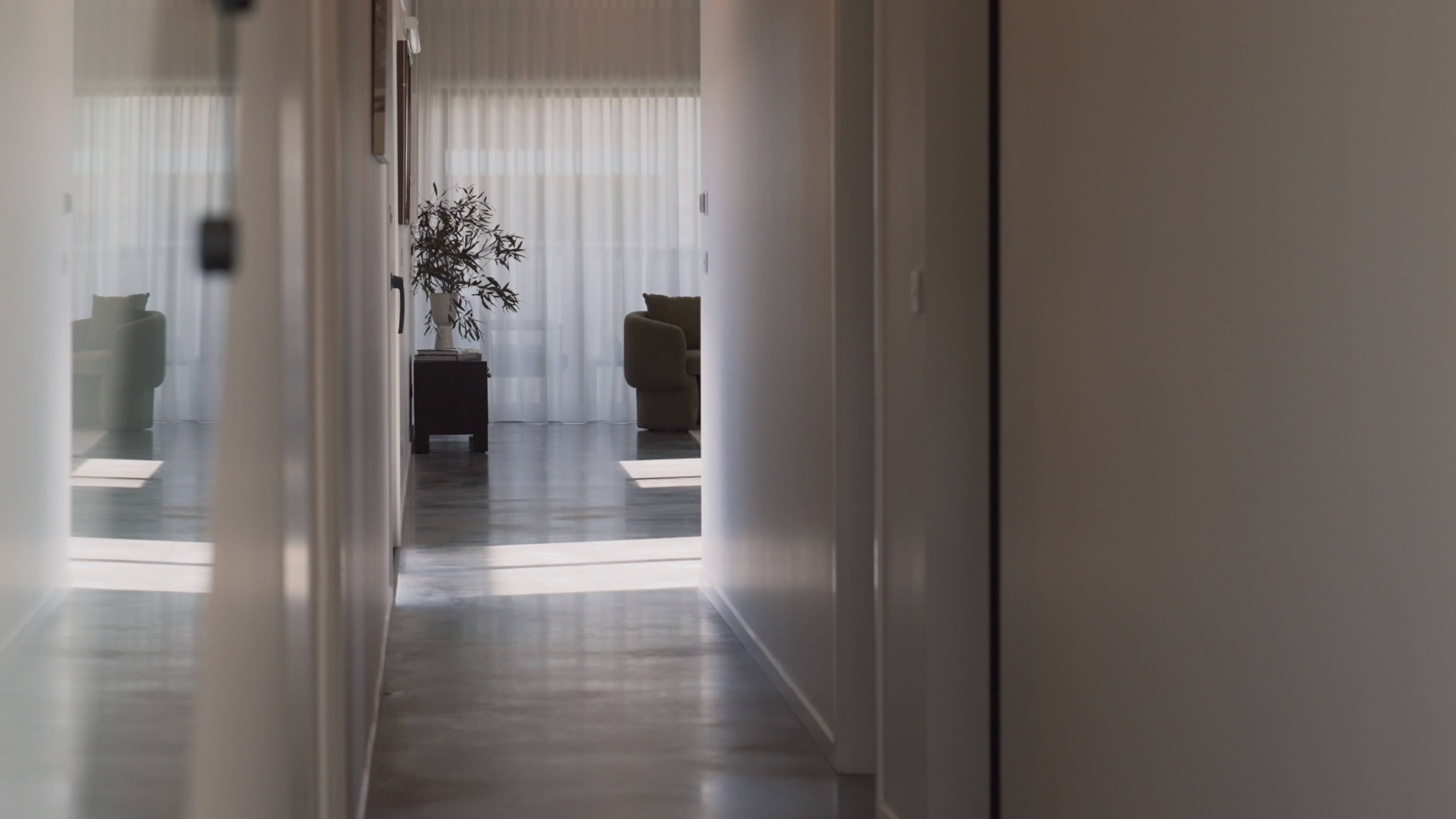
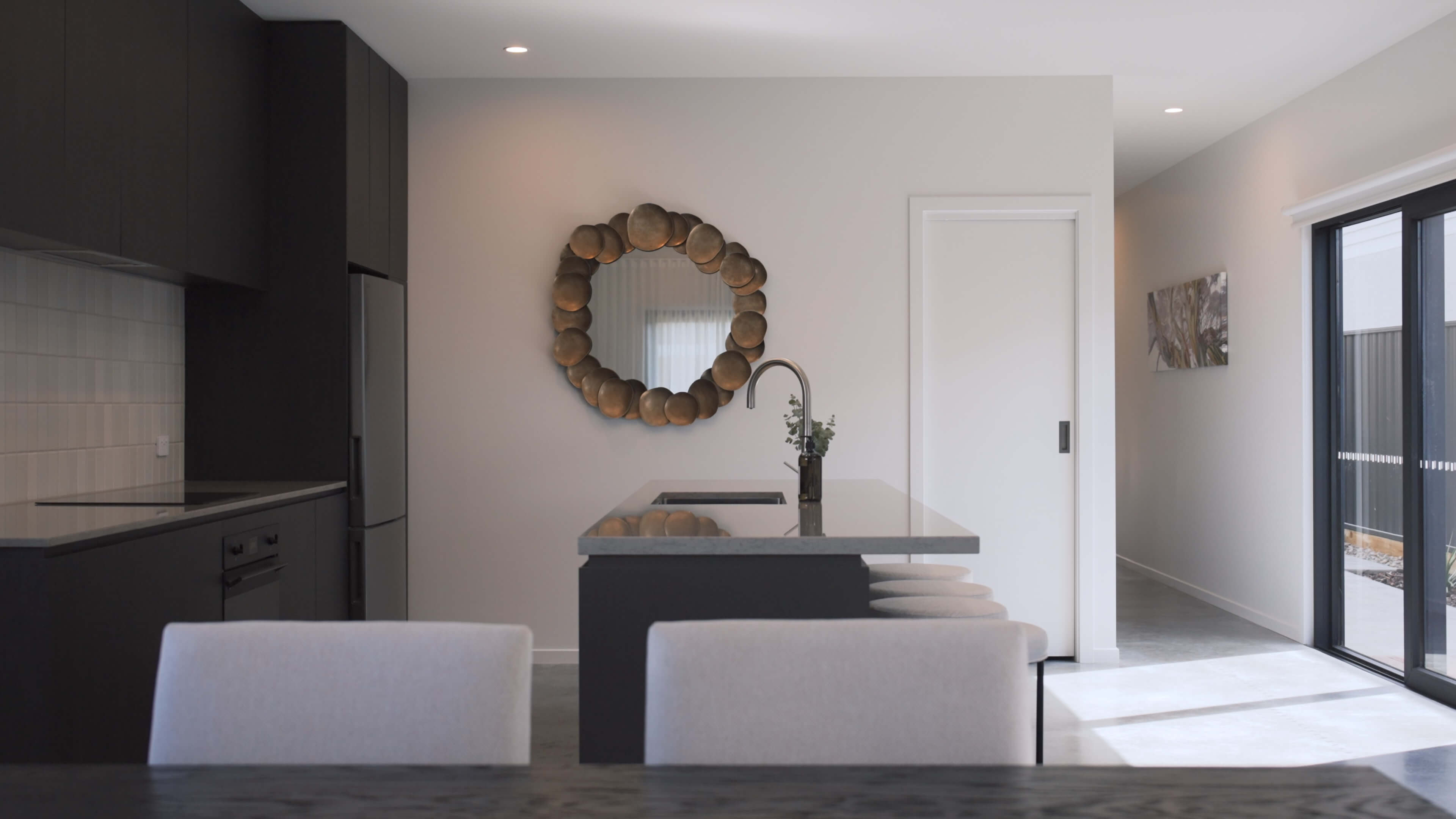
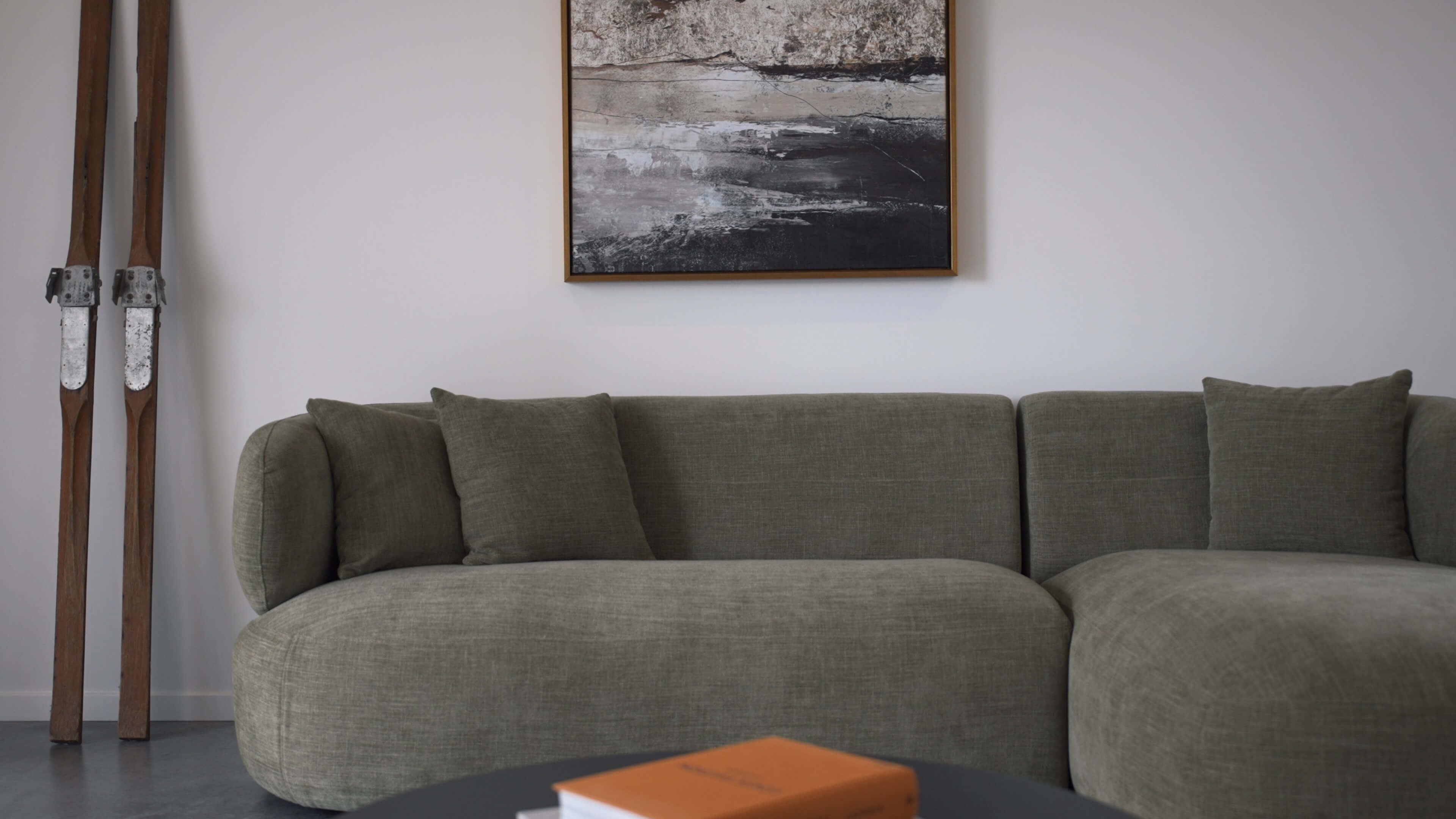
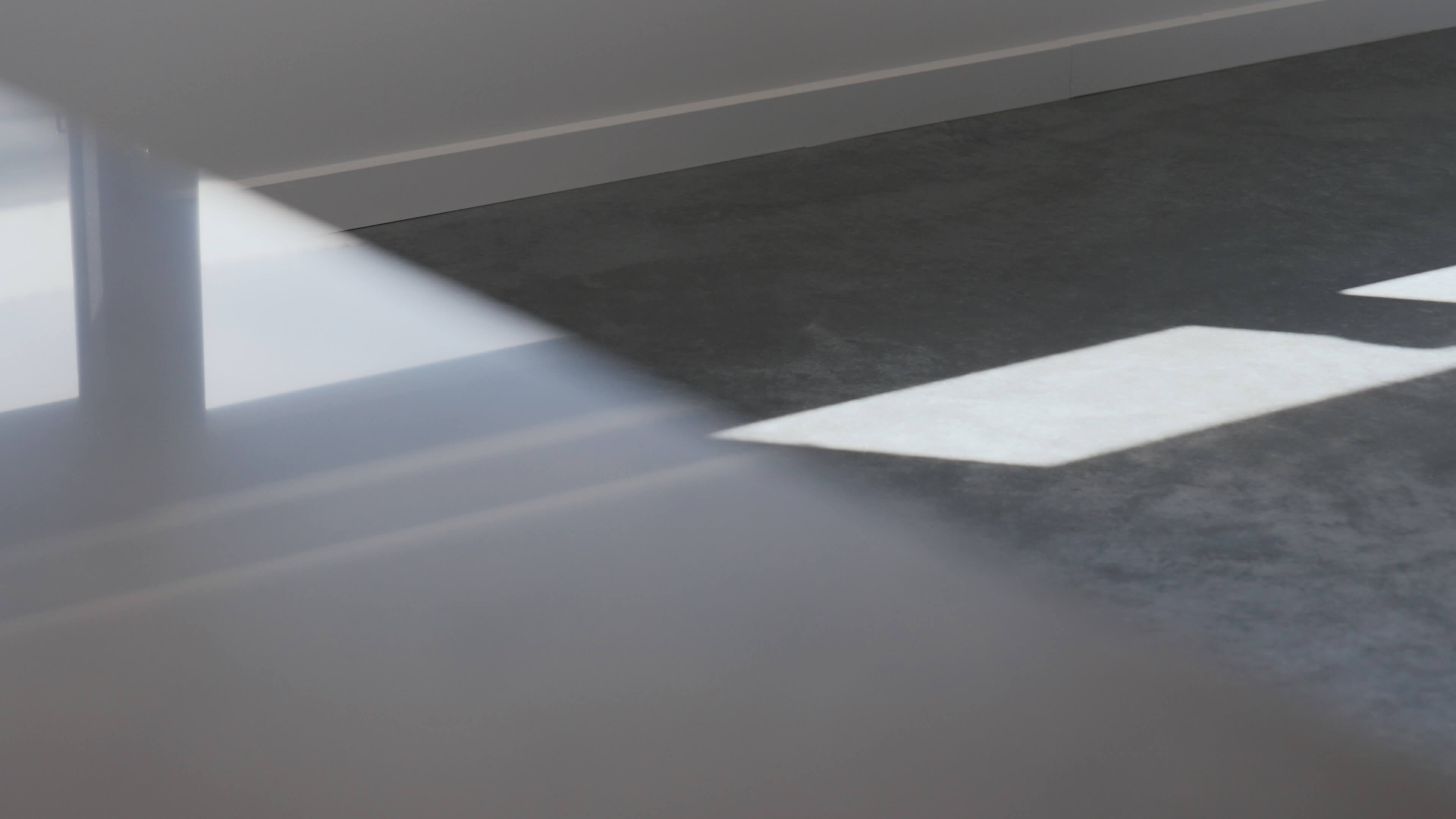
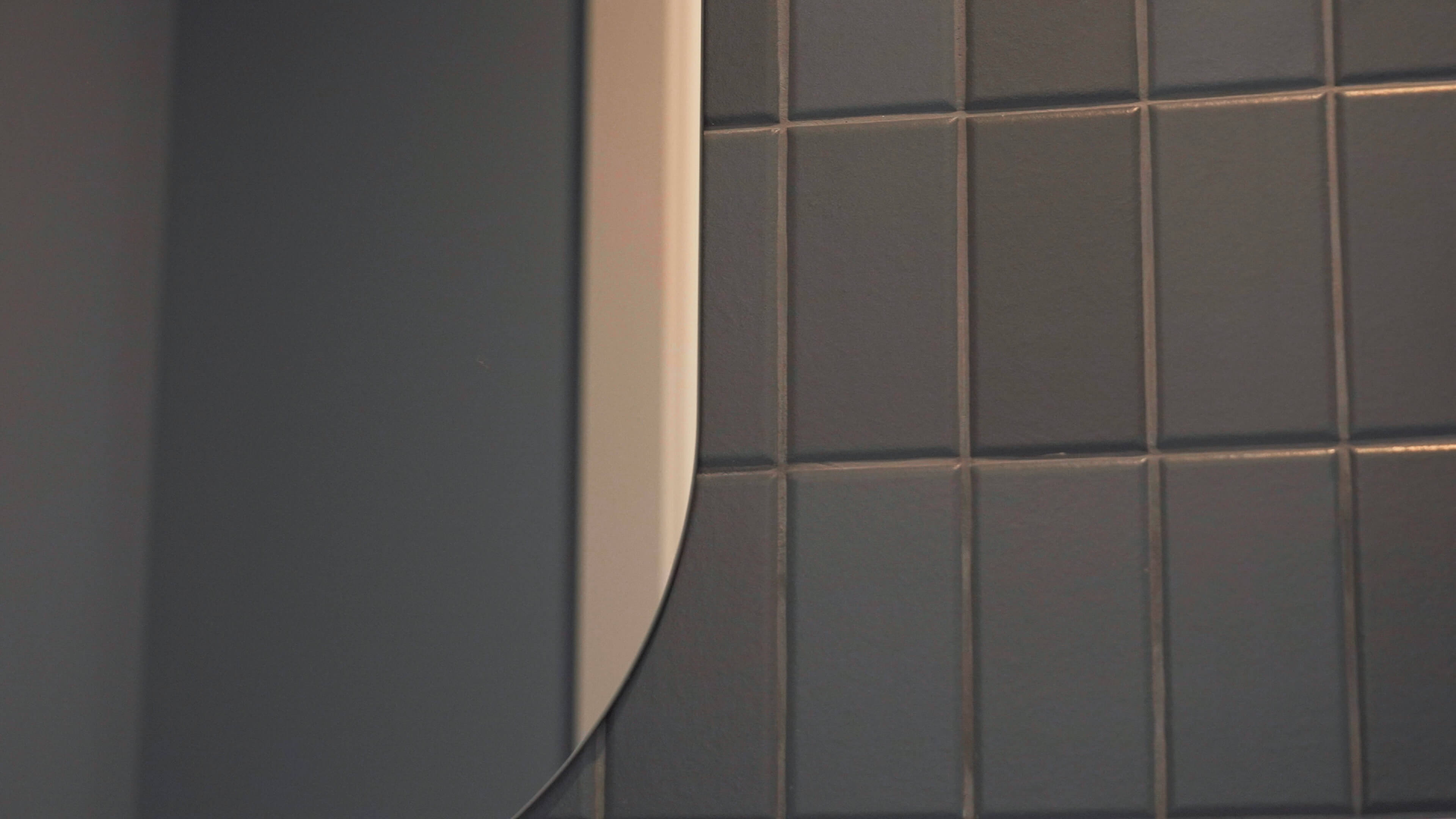
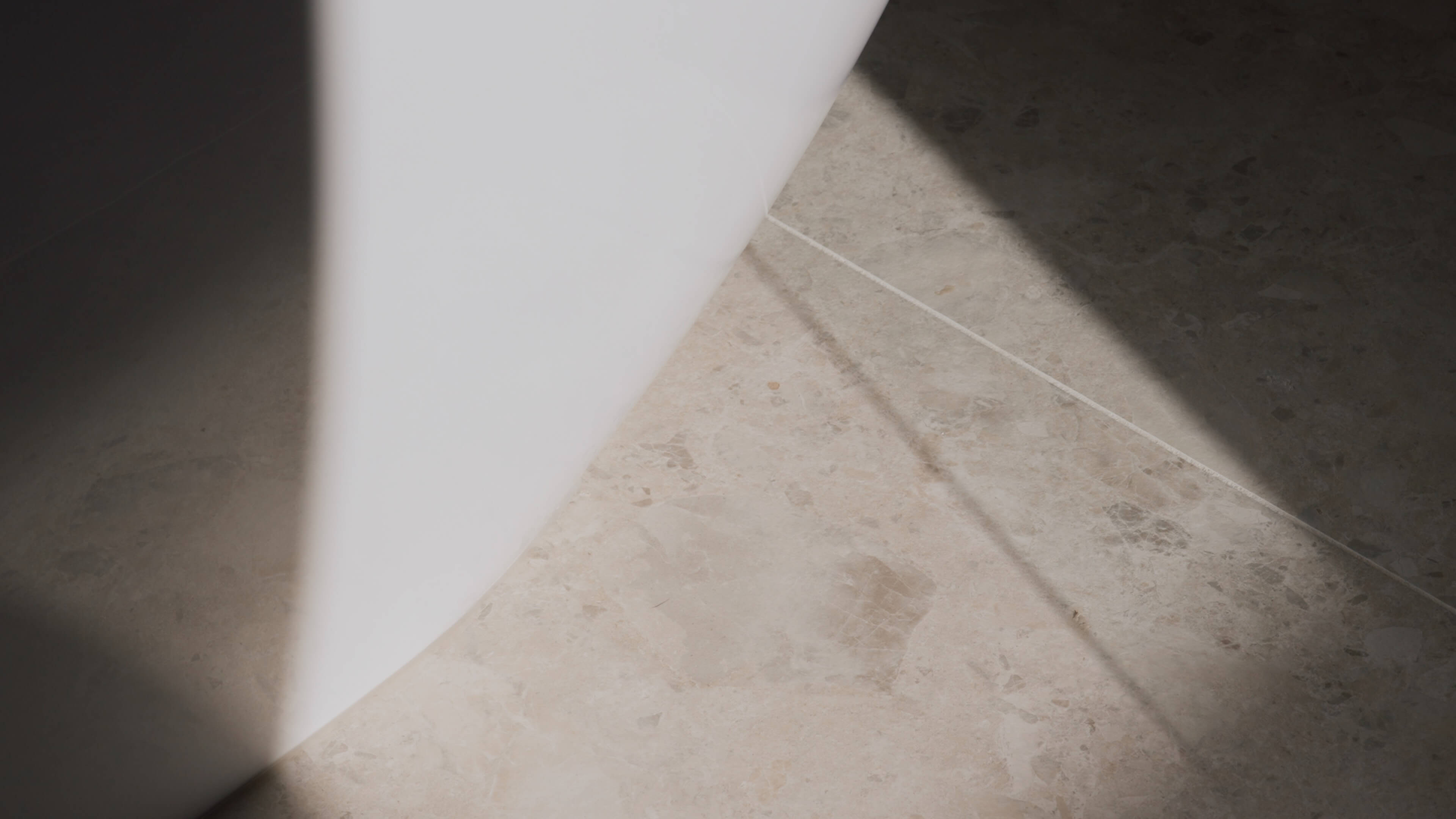
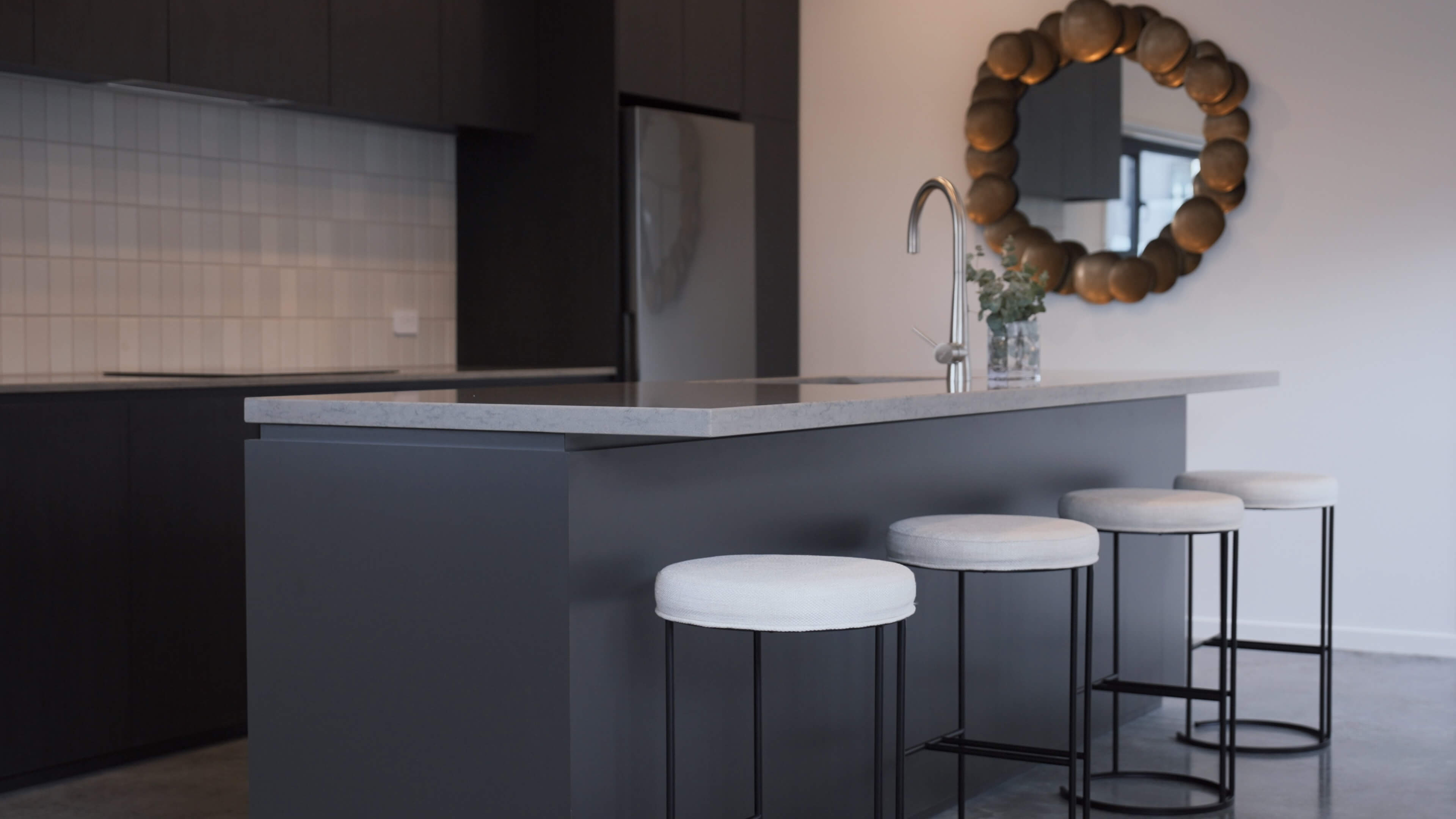
Internally, both homes feature burnished concrete floors — chosen for their durability, low maintenance, and excellent thermal mass properties. Hydronic heating was installed in both slabs for consistent and efficient warmth, and while the layouts are mirrored, each dwelling has its own individual interior design scheme, with finishes tailored to match its unique façade and give each home a distinct character.
Energy performance was a key consideration throughout. The homes were designed to meet required energy star ratings within budget, with uPVC windows selected to improve thermal performance cost-effectively. Both are fully electric, reducing reliance on gas, and solar systems were installed to offset energy use and lower long-term running costs.
For the frame structure, LVL (Laminated Veneer Lumber) was chosen for its superior strength and suitability for the high-wind conditions of the Jindabyne region. Compared to standard framing timber, LVL delivers a more consistent and straighter finish, which also contributed to improved build speed and on-site efficiency.
The cold alpine climate added an extra layer of complexity to the build, with winter conditions — including frost, low temperatures, and weather delays — requiring careful forward planning and sequencing adjustments. The team focused on internal works during harsh weather periods to stay on schedule, managing the narrow site throughout without compromising liveability.
The entire dual occupancy was completed within a 12-month construction timeframe. Running both dwellings in parallel required tight coordination across all trades, but the repetition of design allowed for real procurement and construction efficiencies, and consistency in quality and finishes was maintained across both dwellings from start to finish. The result is a high-quality, architecturally strong pair of durable, energy-efficient homes well-suited to the local alpine environment.


Download "Alpine Build Blueprint" Why $200,000 budget blowouts aren't bad luck — and exactly how to avoid becoming a statistic.